Waking Up in the Wilderness: What John the Baptist Can Teach Us About Real Change This Advent
Based on the sermon by Madeline Polhill, preached at St. Peter’s Episcopal Church, Del Mar on 12/7/25
If you’ve ever felt stuck, restless, or quietly wondering whether life is meant to be more than the endless loop of work, family duties, and trying to keep it all together—you’re in good company.
The season of Advent has a way of pulling those questions up to the surface. It’s a season that invites us to pause, breathe, and take stock of the direction we’re heading.
And this week, Advent hands us one of the most unexpected guides for that process: John the Baptist, the wild, honey-eating, camel-hair-wearing prophet who bursts into the story shouting, “You brood of vipers!”
Not exactly the cozy Hallmark Christmas vibe.
But maybe that’s the point.
A Wake-Up Call From the Wilderness
In a world of polished posts, curated identities, and “everything’s fine” small talk, John is jarringly honest. He interrupts our normal rhythms—just like he interrupted the religious elite of his day—and asks a simple, uncomfortable question:
Do you practice what you preach?
He’s not impressed with pedigree, labels, or appearances. He wants fruit—evidence that our daily choices come from a transformed heart. The Greek word used for repentance is metanoia: a turning, a re-orientation, a change of mind that leads to a change of life.
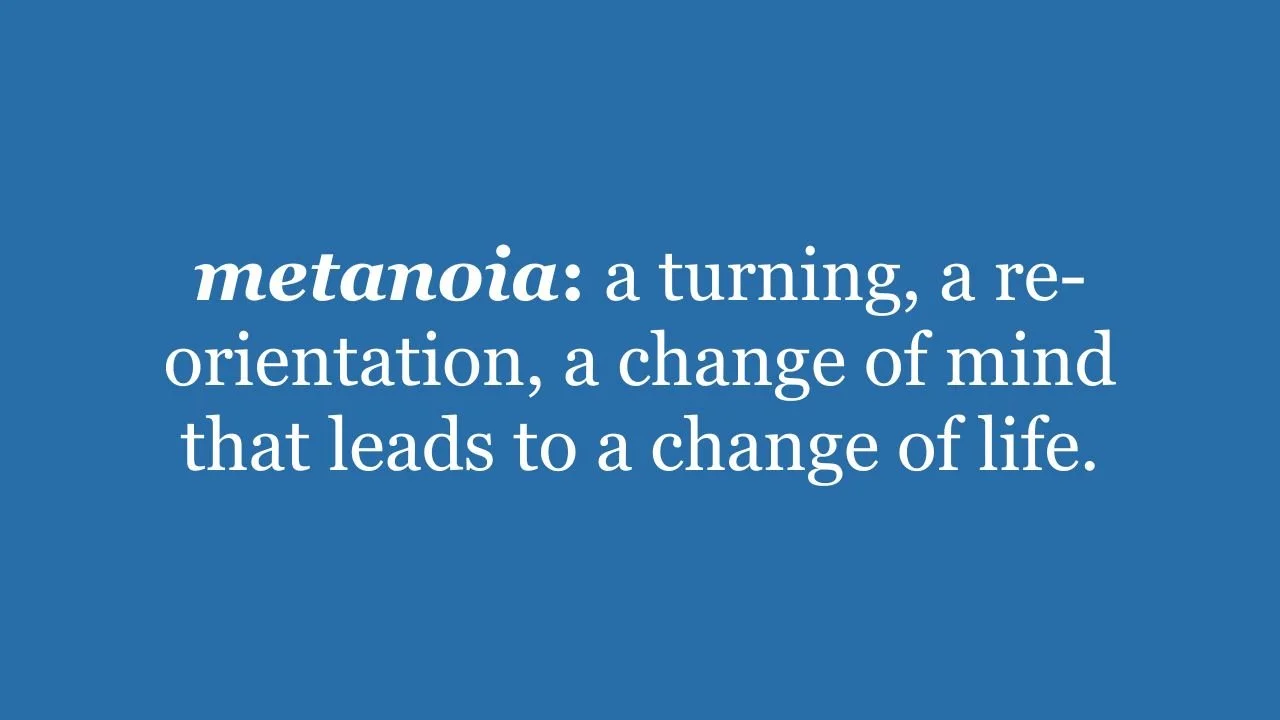
Repentance isn’t about guilt trips or shame spirals. It’s about alignment—letting God turn us toward the kind of life we actually want to live.
Why the Wilderness?
It’s no accident that John’s message is set in the wilderness. Scripture is full of wilderness moments—places where people re-learn who they are, who God is, and what it means to trust again.

And honestly? Many of us live in our own version of a wilderness:
Feeling disconnected even in a busy city
Navigating grief or change
Trying to balance work and family
Wondering where faith fits into adult life
Longing for community that’s real, not performative
Advent meets us there—not in perfection, but in the beautiful, messy middle of being human.
A Different Kind of Peace
Both the psalmist and the prophet Isaiah describe a world transformed by peace—not a passive, everybody-smile-and-don’t-rock-the-boat kind of peace, but a peace that actively confronts injustice, heals wounds, and lifts up the vulnerable.
Jesus calls these people "peacemakers”—people who build peace, not simply “peace keepers” who maintain the status quo.

That kind of peace will sometimes get messy. It may ruffle feathers. It might require courage, hard conversations, or stepping outside your comfort zone. But it’s the kind of peace that can actually change a community—and the lives both within and around it.
So What Does Bearing Fruit Look Like for Us?
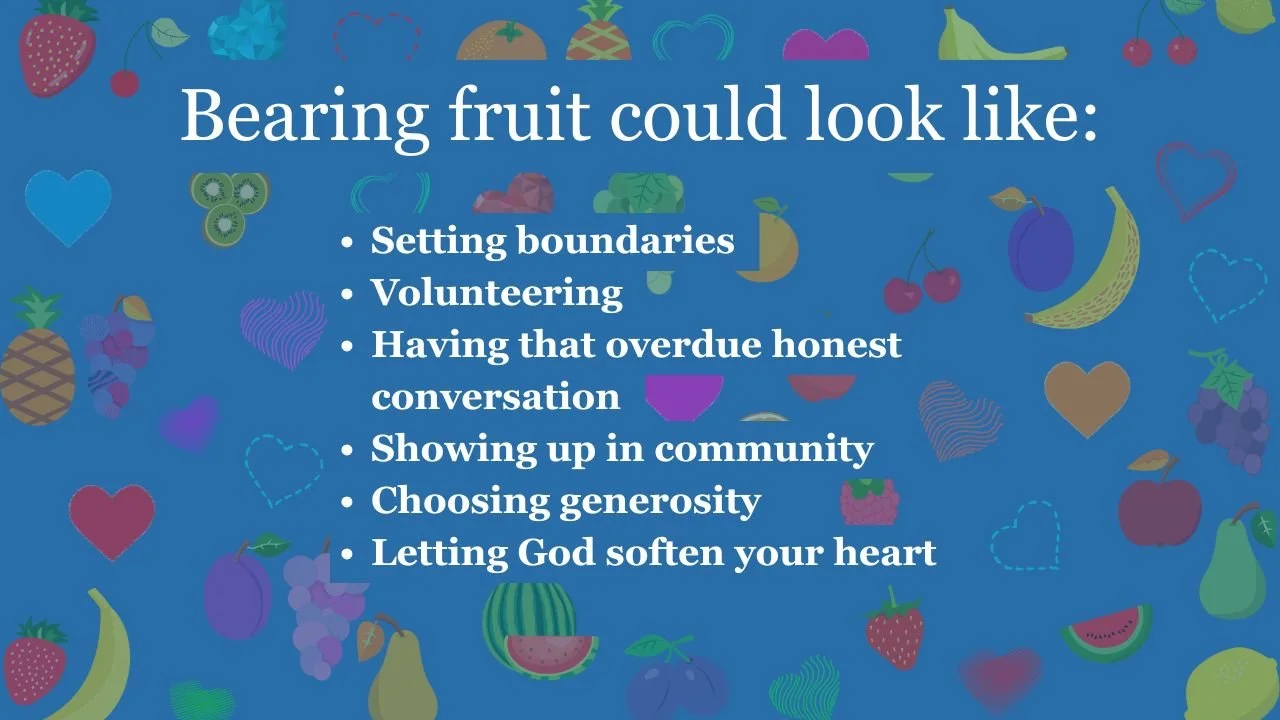
It’s easy to feel like spirituality is abstract, but John the Baptist insists it’s deeply practical. Bearing fruit could look like:
Setting boundaries that make space for rest and presence
Volunteering or giving back in a way that stretches your compassion
Having that overdue honest conversation with someone you love
Showing up in community instead of trying to do everything alone
Choosing generosity in a season built on consumption
Letting God soften your heart where bitterness or exhaustion have taken root
Advent isn’t about perfection. It’s about making room. Making space. Allowing the possibility that God might be doing something new in you—even if it feels like wilderness.
Conclusion
John the Baptist isn’t polished. He doesn’t care about appearances. He stands at the edge of the wilderness with his disruptive honesty and says:
Wake up. Turn around. Look again. Something beautiful is coming.
And he’s right. Advent is preparing us for nothing less than the arrival of the Prince of Peace—a God who enters our world not from the halls of power, but from the margins, from a lowly stable.
So as we move through this season, may we let our hearts be stirred. May we be open to transformation. And may we become peacemakers in a world hungry for hope.
“Send us now into the world in peace.”
We pray it every Sunday. What if we actually meant it?
What if we lived it?