Happiness vs. Joy: Why the Journey Matters
If you live long enough, you learn how much life depends on what happens. The surf is good or it isn’t. Traffic cooperates—or absolutely does not. Work projects land, deals close, kids thrive, plans fall apart. We chase happiness wherever it appears, hoping the next good thing will finally stick.
But as Mother Paige reflected in her recent sermon, happiness and joy are not the same.
Drawing on a moment from Wicked (no spoilers), she noted a lyric that feels true at first glance: “Happiness is what happens when your dreams come true.” And it is—at least in part. Happiness is tied to outcomes. It’s situational. It rises and falls with circumstances.
Joy is different.
Joy isn’t about what happens. Joy is about the journey.
Joy in the Transformation
Mother Paige posed a simple but disarming question—one that applies far beyond Sunday morning:
Did you come to be entertained, or to be transformed?
We might ask the same of our lives. Are we just looking for the next feel-good moment, or are we open to the deeper, slower work of growth?
The scriptures read in church that day— from Isaiah, the Psalms, James, and the Gospel—circle around the same theme: God is in the business of transformation.
Isaiah sees a barren desert bursting into bloom. Not a mild improvement, but a complete reimagining of what seemed lifeless and hopeless. Paths appear where there were none. Even the directionally challenged won’t get lost. God makes the way forward clear.
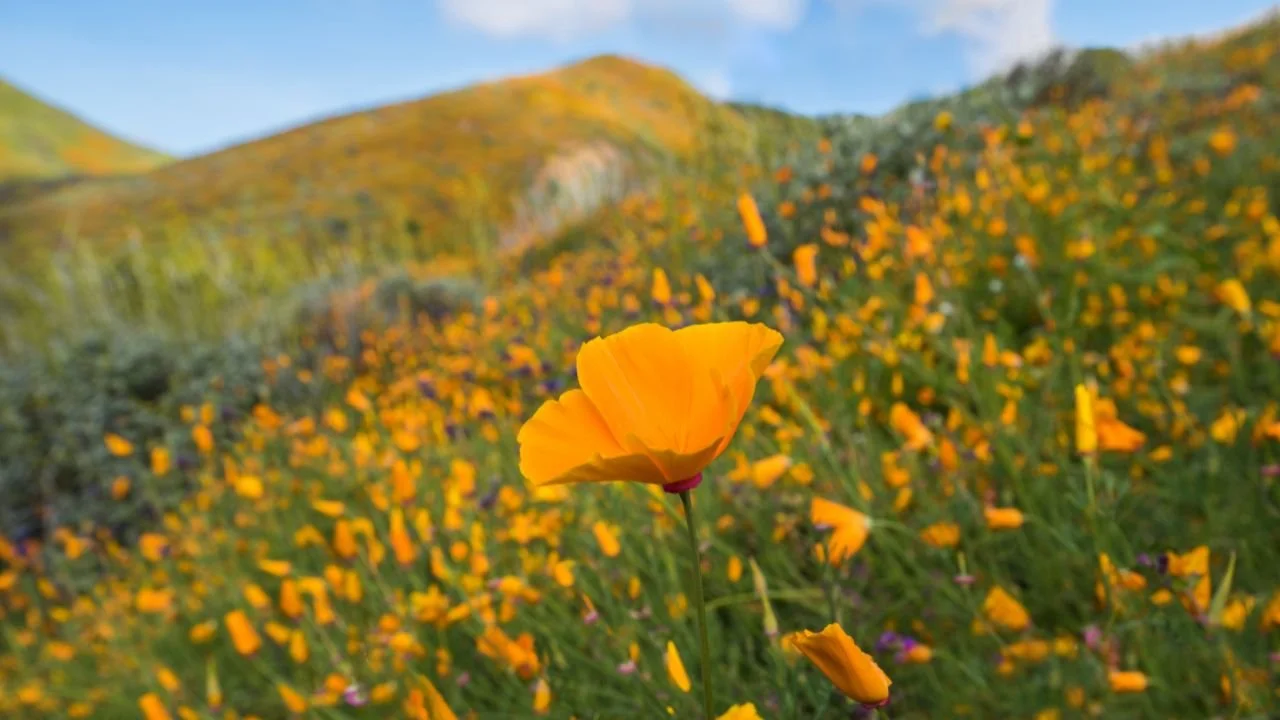
It’s a powerful image for anyone who has ever felt stuck, worn down, or unsure of what comes next.
Joy in the Waiting
Then there’s the letter from James, with advice that no one waiting ever really wants to hear: “Be patient.”
But this isn’t passive patience.
James compares it to farming—an image Mother Paige brought vividly to life. Farmers don’t sit back and wait for crops to magically appear. They work the soil. They watch the weather. They prepare the tools. They tend what’s growing, trusting in the outcome even when the results are still invisible.
That’s what joy looks like.
Joy is active. It’s the steady, sometimes frustrating commitment to showing up, doing the work, and trusting that growth is happening—even when we can’t see it yet.
Joy in Surprises
The Gospel story turns the idea of happiness on its head. John the Baptist, sitting in prison, asks Jesus the honest question many of us have asked in our own ways: Is this really it? Is this how it’s supposed to go?
Jesus responds by pointing to signs of healing, restoration, and hope—but noticeably leaves out one thing: freedom for the prisoners.
John remains incarcerated.
And yet, joy is still present.
Mother Paige named this tension clearly: joy doesn’t mean everything works out the way we want. It means staying rooted in God’s transforming work even when life is messy, unfair, or unfinished.
Joy in the Journey
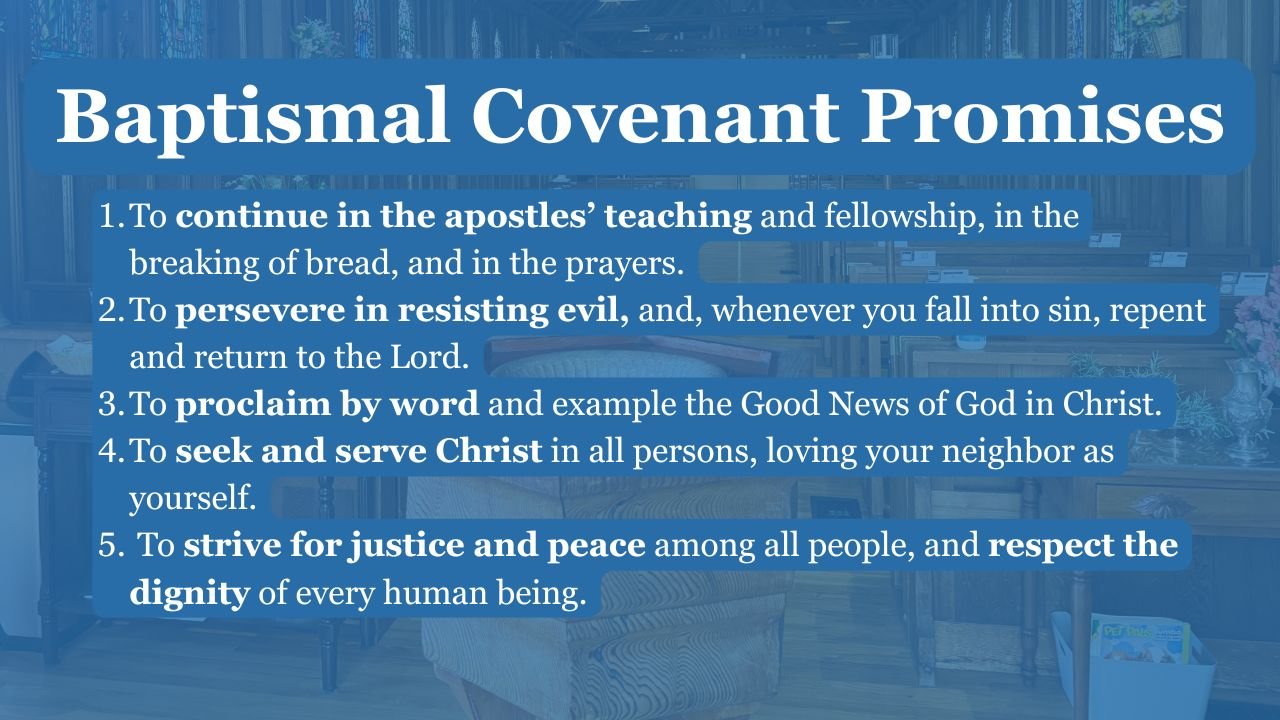
This is why, at St. Peter’s, we regularly return to our baptismal promises. Not because we have it all figured out—but because we’re committed to the journey together.
Those promises are beautifully practical:
To continue in the apostles’ teaching and fellowship, in the breaking of bread, and in the prayers.
To persevere in resisting evil, and, whenever we fall into sin, repent and return to the Lord.
To proclaim by word and example the Good News of God in Christ.
To seek and serve Christ in all persons, loving our neighbors as ourselves.
To strive for justice and peace among all people, and respect the dignity of every human being.
This is the work of what Mother Paige called “patient farmers”—people investing in a future shaped by grace, even if they never see the full harvest themselves.
Conclusion
If you’re building a life, you may already sense that happiness alone isn’t enough. The schedule is full. The pressure is real. The questions get deeper.
But joy—real joy—comes from being part of something that transforms us over time.
At St. Peter’s, we’re not here to offer easy answers or polished perfection. We’re here to walk the journey together—imperfectly, honestly, and with hope.
Because happiness is about what happens.
Joy is about the journey.
And isn’t that journey always better when we don’t walk it alone?